Viện nghiên cứu phát triển tiêu chuẩn chất lượng
INSTITUTE FOR STANDARD AND QUALITY DEVELOPMENT STUDIES

INSTITUTE FOR STANDARD AND QUALITY DEVELOPMENT STUDIES
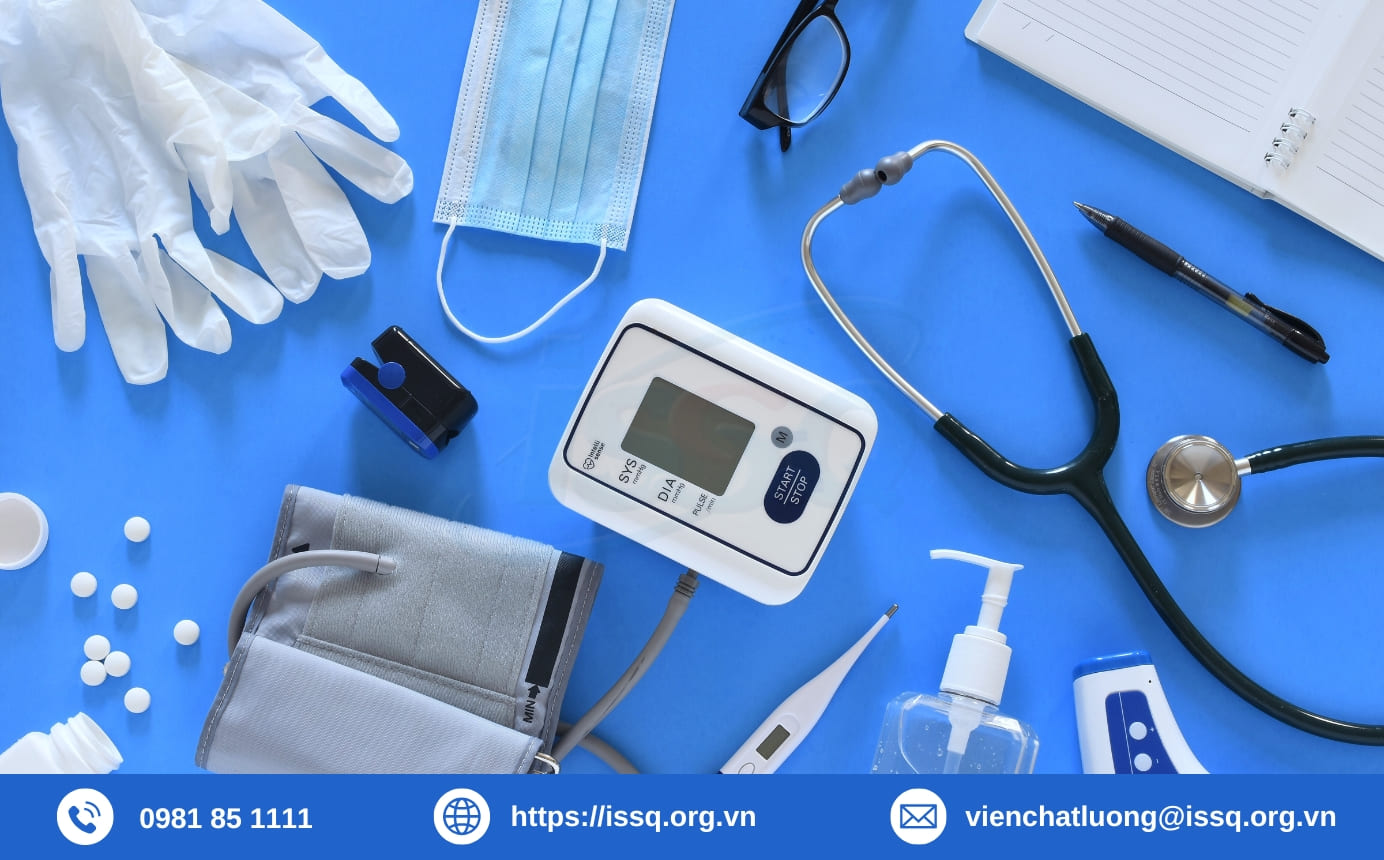
Tiêu chuẩn ISO 13485 quy định các yêu cầu đối với hệ thống quản lý chất lượng khi một tổ chức cần chứng tỏ khả năng của mình trong việc cung cấp trang thiết bị y tế và dịch vụ liên quan đáp ứng một cách nhất quán các yêu cầu của khách hàng và yêu cầu chế định hiện hành.
Những tổ chức này có thể tham gia vào một hay nhiều giai đoạn trong vòng đời của trang thiết bị y tế, bao gồm thiết kế và phát triển, sản xuất, bảo quản và phân phối, lắp đặt, cung cấp dịch vụ về trang thiết bị y tế cũng như thiết kế và phát triển hoặc cung cấp các hoạt động liên quan (ví dụ hỗ trợ kỹ thuật).
Tiêu chuẩn ISO 13485 là tiêu chuẩn đưa ra các yêu cầu đối với hệ thống quản lý chất lượng áp dụng tại các cơ sở sản xuất, kinh doanh dụng cụ y tế.
Tiêu chuẩn ISO 13485 đảm bảo khả năng cung cấp sản phẩm đáp ứng yêu cầu của khách hàng và các quy định của luật pháp.
ISO là viết tắt tên của tổ chức Quốc tế về tiêu chuẩn hóa (International Organization For Standaraization). Tiêu chuẩn được ban hành năm 2003 ( gọi tắt là phiên bản năm 2003).
ISO 13485 là tiêu chuẩn về hệ thống quản lý an toàn cho sản phẩm y tế nằm trong bộ tiêu chuẩn do tổ chức ISO ban hành.
Nói một cách đơn giản, ISO 13485 là một tập hợp các yêu cầu được xác định bởi Tổ chức Tiêu chuẩn hóa Quốc tế.
Các yêu cầu này được các nhà sản xuất thiết bị y tế sử dụng để áp dụng vào Hệ thống quản lý chất lượng của mình
ISO 13485 là tiêu chuẩn quốc tế phổ biến nhất của ngành công nghiệp thiết bị y tế.
Về cơ bản, ISO 13485 giống như một hệ thống quản lý chất lượng (ISO 9001) cho các tổ chức liên quan đến thiết kế, sản xuất, lắp đặt và bảo dưỡng các thiết bị y tế. Được bổ sung thêm một số yêu cầu quan trọng nữa để quản lý tốt hơn.
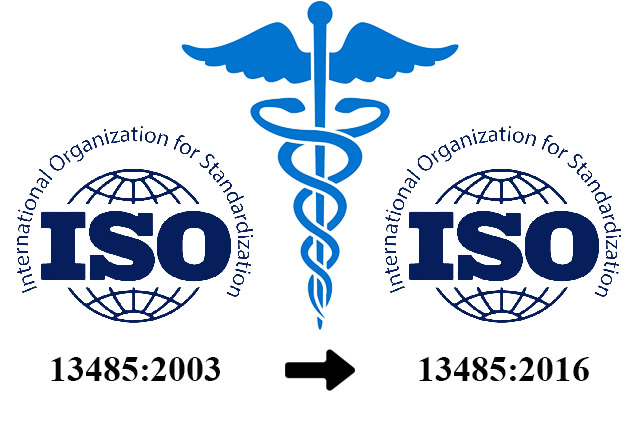
Tiêu chuẩn về Hệ thống quản lý an toàn cho Sản phẩm y tế nằm trong bộ tiêu chuẩn ISO 13485:2003 được tổ chức tiêu chuẩn hóa quốc tế ISO ban hành phiên bản đầu tiên vào tháng 7 năm 2003. (Tương đương Tiêu chuẩn quốc gia TCVN ISO 13485:2004)
Trong năm 2011, Ủy ban châu Âu đưa ra một mối quan tâm xung quanh các giả định văn bản quy phạm pháp luật hỗ trợ sự phù hợp với các Chỉ thị thiết bị y tế (Phụ lục ZA, ZB, ZC) trong EN ISO 13485:2003.
Kết quả là CEN quyết định xuất bản một ấn bản mới của tiêu chuẩn (EN ISO 13485:2012). Tiêu chuẩn này có một Lời nói đầu được sửa đổi và các Phụ lục ZA, ZB và ZC, nhưng văn bản cốt lõi vẫn không thay đổi.
Ngày 1 tháng 3 năm 2016; ISO 13485:2016 ra đời thay thế phiên bản cũ ISO 13485:2003.
Tiêu chuẩn này được xuất bản ngày 1 tháng 3 năm 2016. Thời hạn chuyển đổi 3 năm từ phiên bản cũ sang phiên bản mới đối với các nhà sản xuất và các tổ chức khác. Tức là đến ngày 28 tháng 2 năm 2019 khi ISO 13485:2003 hết hiệu lực. Điều đó cũng có nghĩa là việc cập nhật lên phiên bản mới từ phiên bản cũ ISO 13485:2003 và tiêu chuẩn Châu Âu liên quan: EN ISO 13485:2012 cần được thực hiện chậm nhất là vào ngày này.
Trong ngành công nghiệp thiết bị y tế, quản lý chất lượng với an toàn là 2 yêu cầu không thể tách rời.
Các yêu cầu trong ISO 13485 đưa ra phải được thực hiện trong mọi giai đoạn của vòng đời của thiết bị y tế. Bao gồm các giai đoạn sau khi sản xuất như giao hàng, dịch vụ và bảo trì.
ISO 13485 có thể áp dụng cho mọi loại hình công ty. Dù công ty đó có tham gia vào bất kỳ giai đoạn nào trong vòng đời của thiết bị y tế . Như thiết kế, phát triển, sản xuất, phân phối, phục vụ; thậm chí hỗ trợ các hoạt động như bảo trì và dịch vụ khách hàng .
Càng ngày, ISO 13485 càng trở nên cần thiết cho các công ty thiết bị y tế để cạnh tranh sự chú ý của khách hàng.
Khi được thực hiện đúng, ISO 13485 có thể giúp doanh nghiệp có lợi nhuận tốt hơn và tiết kiệm hiệu quả hơn.
Các lợi ích chính mà ISO 13485 có thể mang lại bao gồm:
Khách hàng đang coi ISO 13485 là bằng chứng của kiểm soát và đảm bảo chất lượng sản phẩm. Khách hàng nhận ra rằng ISO 13485 tập trung vào việc cung cấp các sản phẩm, dịch vụ chất lượng tốt hơn.
Áp dụng ISO 13485 dựa trên nguyên tắc tập trung vào Sự hài lòng khách hàng. Bằng cách cung cấp các sản phẩm và dịch vụ dựa trên một hệ thống để làm hài lòng khách hàng liên tục. Doanh nghiệp sẽ tăng khả năng quay lại của khách hàng. Và đồng thời có được uy tín trong lĩnh vực kinh doanh.
Theo quy định của Pháp luật, việc áp dụng ISO 13485 là một trong những yêu cầu bắt buộc đối với các doanh nghiệp kinh doanh, sản xuất trong lĩnh vực trang thiết bị y tế. Nghị định Chính phủ 36/2016/NĐ-CP ngày 15/5/2016 của Thủ tướng chính phủ về Quản lý trang thiết bị y tế có hiệu lực thi hành từ ngày 01 tháng 7 năm 2016 quy định :
“Điều 68. Điều khoản chuyển tiếp
Cơ sở sản xuất trang thiết bị y tế, đã hoạt động trước ngày Nghị định này có hiệu lực thi hành được tiếp tục hoạt động sản xuất nhưng phải hoàn thành việc công bố đủ điều kiện sản xuất trước ngày 01 tháng 7 năm 2017. Riêng đối với quy định về hệ thống quản lý chất lượng: Cơ sở sản xuất trang thiết bị y tế phải hoàn thành việc áp dụng hệ thống quản lý chất lượng ISO 9001 trước ngày 01 tháng 01 năm 2018 và hệ thống quản lý chất lượng ISO 13485 trước ngày ngày 01 tháng 01 năm 2020.” Theo đó , ngày 01/01/2020 là thời điểm cuối cùng cho các doanh nghiệp thực hiện xây dựng, chứng nhận đạt tiêu chuẩn ISO 13485.
ISO 13485 là cách tiếp cận BPM. Nghĩa là bạn không chỉ nhìn vào các quy trình riêng lẻ mà là cách chúng tương tác với nhau.
ISO 13485 giúp Doanh nghiệp có thể cải tiến quy trình và các cách để làm cho quy trình của Doanh nghiệp hiệu quả hơn. ISO 13485 giúp Doanh nghiệp gộp lại các hoạt động dư thừa. Đồng thời có thể loại bỏ công việc thủ công bằng các kỹ thuật như tự động hóa và cải tiến quy trình .
ISO 13485 quản lý và có những thông tin về việc vận hành toàn bộ quy trình của Doanh nghiệp. Các hồ sơ tài liệu ghi rõ các bằng chứng, cách nó hoạt động. Khi đó Doanh nghiệp biết chính xác các lỗi gặp phải. Từ đó tập trung nguồn lực tốt hơn để tối đa hóa cho từng công việc.
Áp dụng ISO 13485 có nghĩa là nhân viên của bạn có quyền quyết định và đổi mới các quy trình họ đang sử dụng thường xuyên nhất.
Nhân viên biết được trách nhiệm của mình trong các công việc mình tham gia. Qua đó, chủ động hơn trong việc thực hiện, cải tiến được công việc của chính mình.
Trong trường hợp của ISO 13485, nó không phải là một hệ thống quản lý theo đúng nghĩa của nó; thay vào đó, nó dựa trên các nguyên tắc cốt lõi của ISO 9001 để quản lý chất lượng, được áp dụng trong lĩnh vực sản xuất thiết bị y tế.
Các hệ thống quản lý ISO có một cấu trúc cấp cao được gọi là Phụ lục HSL.
Phụ lục HLS (trước đây gọi là Phụ lục SL) là cấu trúc cấp cao cho phép tất cả các hệ thống quản lý ISO này hoạt động hài hòa với nhau.
Theo Phụ lục HLS, Tiêu chuẩn hệ thống quản lý phải tuân theo cấu trúc:
Tuy nhiên, ISO 13485: 2016 không phải là một hệ thống quản lý hoàn chỉnh theo đúng nghĩa của nó, nên nó không có cấu trúc Phụ lục HLS . Thay vào đó, nó được tạo thành từ năm (05) yếu tố cốt lõi, xuất phát từ cấu trúc ISO 9001 cho các hệ thống quản lý chất lượng.
ISO 13485:2016 bao gồm 08 Điều khoản. 03 Điều khoản đầu tiên là khái quát, định nghĩa, giải thích. 05 Điều khoản còn lại là các yêu cầu cốt lõi của ISO 13485: 2016.
Dưới đây là giới thiệu chung về các Điều khoản. Để áp dụng điều khoản này vào thực tế. Doanh nghiệp cần thêm nhiều thông tin và kinh nghiệp. Doanh nghiệp có thể tham khảo bài viết của chúng tôi dưới đây để có thể áp dụng.
HƯỚNG DẪN ÁP DỤNG HỆ THỐNG QUẢN LÝ CHẤT LƯỢNG ISO 13485 (QMS) CHO CÁC THIẾT BỊ Y TẾ
Các yêu cầu cơ bản của ISO 13485:2016 bao gồm:
Điều khoản 4: Hệ thống quản lý chất lượng
Điều khoản này thiết lập các yêu cầu chung cho một hệ thống quản lý chất lượng, bao gồm tài liệu hệ thống và thông tin về hồ sơ.
Điều khoản 04 yêu cầu:
Đây là nơi lãnh đạo sẽ tìm thấy các yêu cầu trách nhiệm của họ để thực hiện và duy trì QMS. Lãnh đạo cần lập kế hoạch và đánh giá liên tục để đảm bảo QMS đang hoạt động tốt.
Điều khoản 5 yêu cầu:
Phần này tương đối ngắn, nhưng nó bao gồm mọi thứ về kiểm soát và quản lý nguồn lực của Doanh nghiệp. Bao gồm nhân sự, máy móc thiết bị, cơ sở hạ tầng và môi trường làm việc.
Điều khoản 6 yêu cầu:
Các yêu cầu cụ thể của sản phẩm bao gồm từ việc thiết kế (hoặc dịch vụ) và sản xuất các thiết bị y tế.
Điều này bao gồm tất cả mọi thứ, từ lập kế hoạch và thiết kế sản phẩm, đến tạo sản phẩm và cung cấp các sản phẩm và dịch vụ, đến kiểm soát và bảo dưỡng thiết bị.
Điều khoản 07 yêu cầu:
Điều khoản 8 đưa ra các yêu cầu để đảm bảo Doanh nghiệp có thể hiểu QMS của họ hoạt động như thế nào. Có điểm nào không phù hợp, cần cải tiến hay không.
Điều này bao gồm các hành động khắc phục và phòng ngừa; Đánh giá sự hài lòng của khách hàng; Kiểm soát sự không phù hợp của sản phẩm; Đánh giá và cải thiện các chính sách và quy trình chất lượng; Thực hiện xem xét về đánh giá nội bộ và cải tiến liên tục hệ thống.
Điều khoản 8 yêu cầu:
Giấy chứng nhận không phải là một yêu cầu của ISO 13485. Nhưng nó là bằng chứng chứng tỏ việc Doanh nghiệp đã áp dụng tốt ISO 13485. Một số trường hợp, chứng nhận ISO 13485 là bắt buộc.
Ví dụ, một số cơ quan nhà nước có thể đưa ra các yêu cầu đối với chứng nhận ISO 13485; tương tự, khách hàng có thể yêu cầu Doanh nghiệp cần phải có giấy chứng nhận ISO 13485.
Nói một cách đơn giản, chứng nhận ISO 13485 có nghĩa là hệ thống quản lý chất lượng của một tổ chức đã được thực hiện bởi Tổ chức chứng nhận đã đăng ký. Đồng nghĩa là việc chứng minh hệ thống của doanh nghiệp đã đáp ứng theo các yêu cầu của ISO 13485.
Các tổ chức chỉ có thể được chứng nhận ISO 13485 bởi các tổ chức bên thứ 3 (tổ chức chứng nhận).
Trong các tiêu chuẩn ISO định nghĩa về đánh giá chứng nhận là:
“Quy trình có hệ thống, thực hiện độc lập và được lập thành hồ sơ để thu thập bằng chứng chứng nhận [hồ sơ, báo cáo thực tế hoặc thông tin khác có liên quan và có thể kiểm chứng]. Thực hiện đánh giá các hồ sơ một cách khách quan để xác định mức độ mà tiêu chí chứng nhận [một bộ chính sách, thủ tục hoặc yêu cầu] được đáp ứng tại Doanh nghiệp”.
Đánh giá chứng nhận được sử dụng để đảm bảo các yêu cầu được đáp ứng.
Các cách thức chứng nhận tiêu chuẩn ISO 13485 – Hệ thống quản lý trang thiết bị y tế
Tùy thuộc vào mục đích của Doanh nghiệp, có hai loại chứng nhận ISO:
Đánh giá bên ngoài (bên thứ 3) là chứng nhận bởi 01 tổ chức chứng nhận độc lập bên ngoài. Tổ chức chứng nhận sẽ là đơn vị cấp giấy chứng nhận cho Doanh nghiệp. Đương nhiên các tổ chức này phải là các tổ chức được phép hoạt động chứng nhận theo quy định.
Đánh giá bên trong nội bộ (thứ 1 và thứ 2) có thể được thực hiện bởi các cá nhân trong tổ chức của Doanh nghiệp; Hay còn gọi là các chuyên gia đánh giá nội bộ.
Doanh nghiệp sẽ không được cấp giấy chứng nhận ISO khi thực hiện đánh giá nội bộ. Nhưng đánh giá nội bộ vẫn rất hữu ích và quan trọng. Trên thực tế, việc đánh giá nội bộ là một yêu cầu bắt buộc theo tiêu chuẩn ISO 9001: 2015. Vì vậy, để được chứng nhận chính thức, doanh nghiệp sẽ phải thực hiện đánh giá nội bộ.
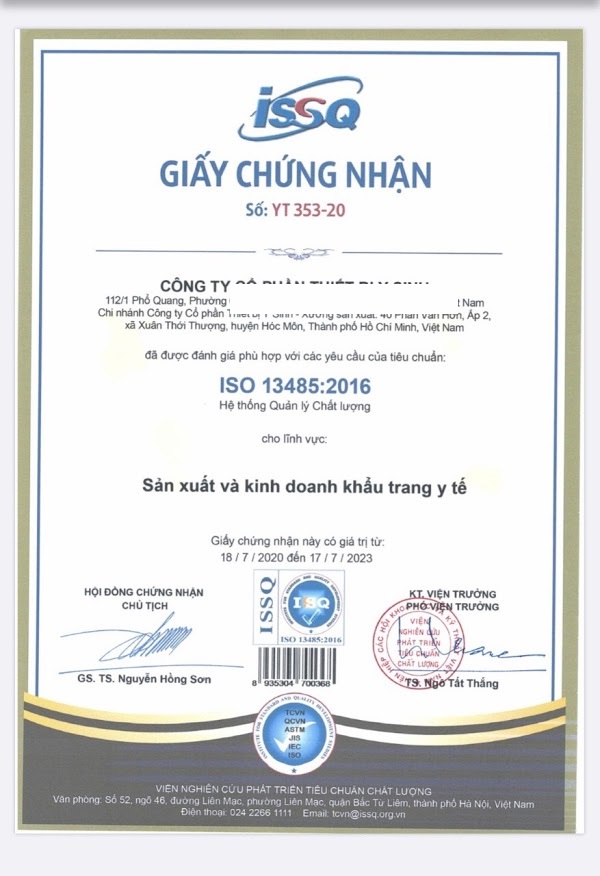
Doanh nghiệp tham khảo bài viết về chứng nhận ISO 13485:2016 của chúng tôi để có thể hiểu rõ về quy trình, thủ tục chứng nhận.
Viện Chất Lượng ISSQ luôn sẵn sàng đồng hành cùng Quý công ty trong thời kỳ hội nhập và phát triển.
Chúng tôi sẽ đáp ứng mọi yêu cầu của doanh nghiệp. Hãy liên hệ với chúng tôi theo hotline: 02422661111 | 0981851111 hoặc vienchatluong@issq.org.vn | tcvn@issq.org.vn